twitter

Friday, 15 February 2019

Do recent research studies validate the medicinal plants used in British Columbia, Canada for immune-mediated and other problems in pets?

Journal of Ethnopharmacology

Available online 15 February 2019


Abstract

Ethnopharmacological relevance

There are insufficient safe and effective treatments for chronic pain in pets. In cases such as osteoarthritis there is no commercially available cure and veterinarians use NSAIDs to manage pain. Pet owners may have to plan for a lifetime of plant-based treatment for the conditions that lead to chronic pain in pets. Phytopharmacotherapies have the advantage of being less toxic, cheap or free, readily available, are more likely to be safe for long-term use and have the potential to reset the immune system to normal functioning.

Aim of the study

To examine the recently published medicinal plant research that matches unpublished data on ethnoveterinary medicines (EVM) used for pets in Canada (British Columbia) to see if the EVM data can provide a lead to the development of necessary drugs.

Materials and methods

In 2003 semi-structured interviews were conducted with 60 participants who were organic farmers or holisitic medicinal/veterinary practitioners obtained using a purposive sample. Medicinal plants are used to treat a range of conditions. A draft manual prepared from the data was then evaluated by participants at a participatory workshop that discussed the plant-based treatments. A copy of the final version of the manual was given to all research participants.
In 2018, the recently published research matching the EVM data was reviewed to see if the EVM practices could serve as a lead for further research.

Results and Conclusion

The injuries treated in pets in British Columbia included abscesses, sprains and abrasions. Dogs were also treated with medicinal plants for rheumatoid arthritis, joint pain and articular cartilage injuries. More than 40 plants were used. Anal gland problems were treated with Allium sativum L., Aloe vera L., Calendula officinalis L., Plantago major L., Ulmus fulva Michx., Urtica dioica L. and the lichen Usnea longissima Ach. Antioxidants in plants, such as diarctigenin from Arctium lappa, used in ethnoveterinary medicine for rheumatoid arthritis and joint pain in pets are said to be of use in treating pathological conditions such as inflammation and rheumatoid arthritis that are linked to excess production of reactive oxygen species. Understudied plants used for arthritis and joint pain include Hydrangea arborescens and Lactuca muralis.
Asthma in pets was treated with: flaxseed oil (Linum usitatissimum L., Linaceae), borage (Borago officinalis L., Boraginaceae), mullein (Verbascum thapsus L., Scrophulariaceae), pumpkin (Cucurbita pepo L., Cucurbitaceae), lobelia (Lobelia inflata L., Lobeliaceae and ginger (Zingiber officinale Roscoe, Zingiberaceae). Pets with heart problems were treated with hawthorn (Crataegus oxyacantha L., Rosaceae), balm of Gilead (Cedronella canariensis (L.) Willd. ex Webb & Berth, Labiatae), horsetail (Equisetum palustre L., Equisetaceae), lady slipper (Cypripedium calceolus L., Orchidaceae), pine (Pinus ponderosa Douglas ex Lawson, Pinaceae), hops (Humulus lupulus L., Cannabinaceae), valerian (Valeriana officinalis L., Valerianaceae), lobelia (Lobelia inflata L., Campanulaceae), wood betony (Stachys officinalis (L.) Trev., Lamiaceae), and mistletoe (Viscum album L., Loranthaceae). Pets were treated with the following plants for epilepsy, motion sickness and anxiety- oatstraw (Avena sativa L., Poaceae), Valeriana officinalis, wild lettuce Lactuca muralis (L.) Fresen., Asteraceae), skullcap (Scutellaria lateriflora l., Lamiaceae), summer savoury (Satureja hortensis L., Lamiaceae) and passion flower (Passiflora incarnata L. (Passifloraceae).
Plants used for cancer treatment included Phytolacca decandra, Ganoderma lucidum, Lentinula edodes, Rumex acetosella leaf, Arctium lappa root, Ulmus fulva bark and Rheum palmatum root, Frangula purshiana bark, Zingiber officinale root, Glycyrrhiza glabra root, Ulmus fulva bark, Althea officinalis root, Rheum palmatum stem, Rumex crispus root and Plantago psyllium seeds. Trifolium pratense was used for tumours in the prostate. The following plants were also used to treat cancer: Artemisia annua, Taraxacum officinale and Rumex crispus. These treatments were said to prolong the lives of the dogs treated. Stillingia sylvatica, Verbascum thapsus, Yucca schidigera and Iris versicolor are insufficiently studied, however the use of the other plants in the treatment of cancer is supported by the literature.

Keywords

arthritis
anxiety, asthma, heart problems, injuries
pets
British Columbia
medicinal plants
ethnoveterinary medicine
cancer
tumours

Tuesday, 12 February 2019

Protective Role of Medicinal Herb Anethum Graveolens (Dill) Against Various Human Diseases and Metabolic Disorders: Pharmacology and Therapeutic Uses


  • January 2019
  • DOI:
  • 10.1007/978-3-030-04408-4_8
  • In book: Plant and Human Health, Volume 3
  • Furkhan Ahmed Mohammed
  • Syed Shoeb Razvi
  • Waseem Mohammed Abdul
  • Ayman I. Elkady

  • https://www.researchgate.net/publication/331020296_Protective_Role_of_Medicinal_Herb_Anethum_Graveolens_Dill_Against_Various_Human_Diseases_and_Metabolic_Disorders_Pharmacology_and_Therapeutic_Uses/references
  • Friday, 8 February 2019

    GC-MS analysis of bioactive compounds in the entire parts of ethanolic extract of Gomphrena globosa Linn.

    Vol. 2, Issue 4 (2017)


    Author(s): P Yamuna, P Abirami, M Sharmila, P Vijayashalini
    Abstract: 29 bioactive compounds were identified in entire plant of ethanolic extract of Gomphrena globosa Linn. by GC-MS analysis. The major bioactive compounds are Ethylenediamine N, N, N′-trimethyl-n′-(4-piperidyl) (51.81%); 9, 12, 15-Octadecatrienoic acid, methyl ester (z, z, z) (9.79%); Stigmasterol (6.80%); Hexadeconic acid (5.29%); Bis(trimethylsilyl)-oxazepam (5.02%); Hexadecanoic acid, 2-hydroxy-1-[hydroxymethyl] ethyl ester (2.48%); Squalene (2.35%); 2-Hexadecen-1-ol, 3, 7, 11, 15- tetramethyl-, [R-[R*, R*-(E)]]- (2.07%); (cis)-2-nonadecone (2.04%); Triethoxysilanol (1.55%); Phytol, acetate (1.30%) and d-Nerolidol (1.12%).
    Pages: 57-64  |  1035 Views  684 Downloads

    International Journal of Research in Pharmacy and Pharmaceutical Sciences


    ISSN: 2455-698X

    Friday, 1 February 2019

    Wedtrilosides A and B, two new diterpenoid glycosides from the leaves of Wedelia trilobata (L.) Hitchc. with α-amylase and α-glucosidase inhibitory activities

    https://www.researchgate.net/publication/330247122_Wedtrilosides_A_and_B_two_new_diterpenoid_glycosides_from_the_leaves_of_Wedelia_trilobata_L_Hitchc_with_a-amylase_and_a-glucosidase_inhibitory_activities

    Tuesday, 29 January 2019

    Visiting Assistant Professor of Philosophy

    VAP: Colorado College

    POSTING NUMBER:233
    JOB TITLE:
    IS THIS A TENURE TRACK POSITION?No
    POSITION STATUS:Full-time 1 year
    POSITION SUMMARY:The Philosophy Department at Colorado College invites applications for a one-year visiting faculty position for the 2019-20 academic year. We seek candidates with expertise in environmental ethics, and with the capacity to teach additional courses described below. Our department is a pluralistic and welcoming one, and we are especially interested in candidates who would bring additional dimensions of diversity to our curriculum.
    Colorado College actively promotes a dynamic and inclusive environment in which students and employees of diverse backgrounds, cultures, and perspectives can learn and work. Applicants should describe the ways in which they can contribute to this goal in their cover letter.
    Applicants should be committed to high quality, innovative undergraduate teaching. Colorado College uses the Block Plan, an intensive teaching schedule in which professors teach and students take only one course at a time for 3.5 weeks. The standard load for visiting faculty is six courses during the 8-block academic year. Regular classes are limited to 25 students; writing-intensive classes are limited to 12.
    Expected courses for the position include two sections of Environmental Ethics (one per semester), plus some combination of the following (with the possibility of teaching one of these twice): Ethics, Philosophical Argument & Writing, Formal Logic, a course that fulfills the Diversity in Philosophy requirement for the philosophy major (with particular interest in indigenous philosophies and feminist philosophies), and Bioethics or Applied Ethics. An advanced course in the candidate’s area of specialization is also possible.
    Visiting faculty are eligible for travel support to an academic conference and can apply for additional research funds during the academic year. Appointment will be at the assistant professor level for candidates holding a PhD; candidates who have not yet completed their doctoral degree are appointed as visiting instructors. A PhD or doctoral candidate (ABD) status is a requirement for employment.
    Applications will be considered on a rolling basis, and the search will remain open until the position is filled. For fullest consideration, applicants are encouraged to submit materials by February 4, 2019.
    Colorado College is an equal opportunity employer committed to increasing the diversity of its community. We do not discriminate on the basis of race, color, national origin, gender, age, religion, gender identity or expression, disability, or sexual orientation in our educational programs and activities or our employment practices.
    PREFERRED QUALIFICATIONS:
    MINIMUM QUALIFICATIONS:A PhD or doctoral candidate (ABD) status is a requirement for employment.
    JOB OPEN DATE:01/24/2019

    Monday, 14 January 2019

    Prokofiev plays Rachmaninoff Prelude op. 23 No 5 (1919)

    https://youtu.be/xjutQ97DRhw

    Winnifred Atwell and Pan Am North Stars Steel Orchestra "The Devil's daughter."

    https://youtu.be/938pWa0RBBM

    Recent Updates on the Phytochemistry and Pharmacological Properties of Phlomis viscosaPoiret

    Published Online:https://doi.org/10.1089/rej.2018.2093
    Crude ethanolic extracts from Phlomis viscosa Poiret leaves from the Judea region (Israel) are renowned for their remarkable geroprotective properties: anti-inflammatory, anti-diabetic, and anti-cancer. A phytochemical investigation carried out in this study revealed that the tested plant might belong to a particular distinct chemotype because its phytochemicals are different from compounds that were mentioned in the literature. Among the compounds identified by us was diosmin, the synthetic derivatives of which were further obtained and investigated. In particular, activities of the isolated compounds and synthesized diosmin derivatives were assessed. Our results revealed that the following compounds significantly lessened secretion of some pro-inflammatory cytokines: diosmin, himachala-2-diene, and 5,7-dihydroxy-2-(3-hydroxy-4-methoxyphenyl) chromen-4-one. In addition, diosmin, synthesized diosmin derivatives, and some identified terpenes were found to have anti-diabetic activities. A significant anti-cancer effect of the whole extract on U-87 (human glioblastoma carcinoma cells line) and MCF7 (human breast carcinoma cell line) was also demonstrated, and it was better than that of DOX (doxorubicin). Collectively, the results obtained in the in vitro models suggest a wide spectrum of beneficial bioactivities of the extract and its active compounds

    call for papers for the Feminist Legal Studies Queen's annual International Women's Day Conference

    Hello, everyone. Attached please find the call for papers for the 
    Feminist Legal Studies Queen's annual International Women's Day 
    Conference, which will be held at Queen's University in Sutherland Hall 
    (Policy Studies) on March 8 and 9th. Details of this call can be found 
    on the FLSQ website at 
    https://femlaw.queensu.ca/flsq-conferences/flsq-conference-2019-call-papers


    The 2019  IWD conference will feature the Keynote Lecture by the 
    renowned *Professor Angela Harris*, University of California Davis 
    School of Law, who is visiting Queen’s University in March as the 
    2018-2019 Principal’s Development Fund Visiting Scholar. For details of 
    her work and impact, see 
    https://poverty.ucdavis.edu/profile/angela-p-harris.

    Professor Harris will open the conference on March 8 at 1 pm with her 
    keynote lecture *‘/The Color of Farming: Food and the Reproduction of 
    Race.’/*

    Please copy this email to anyone you know who may be interested in this 
    call for papers. We think that the great value of this conference is 
    being able to include the voices and views of those who are 
    participating in shaping the future of gender and intersectional 
    equalities in academia, in civil society, in government, and in the media!

    Further details of the conference program will be posted on the FLSQ 
    site closer to the event, but do please feel free to contact either of 
    us if you want to discuss your participation in this event.

    all the best,

    Kathleen Lahey, and on behalf of Bita Amani

    Sunday, 13 January 2019

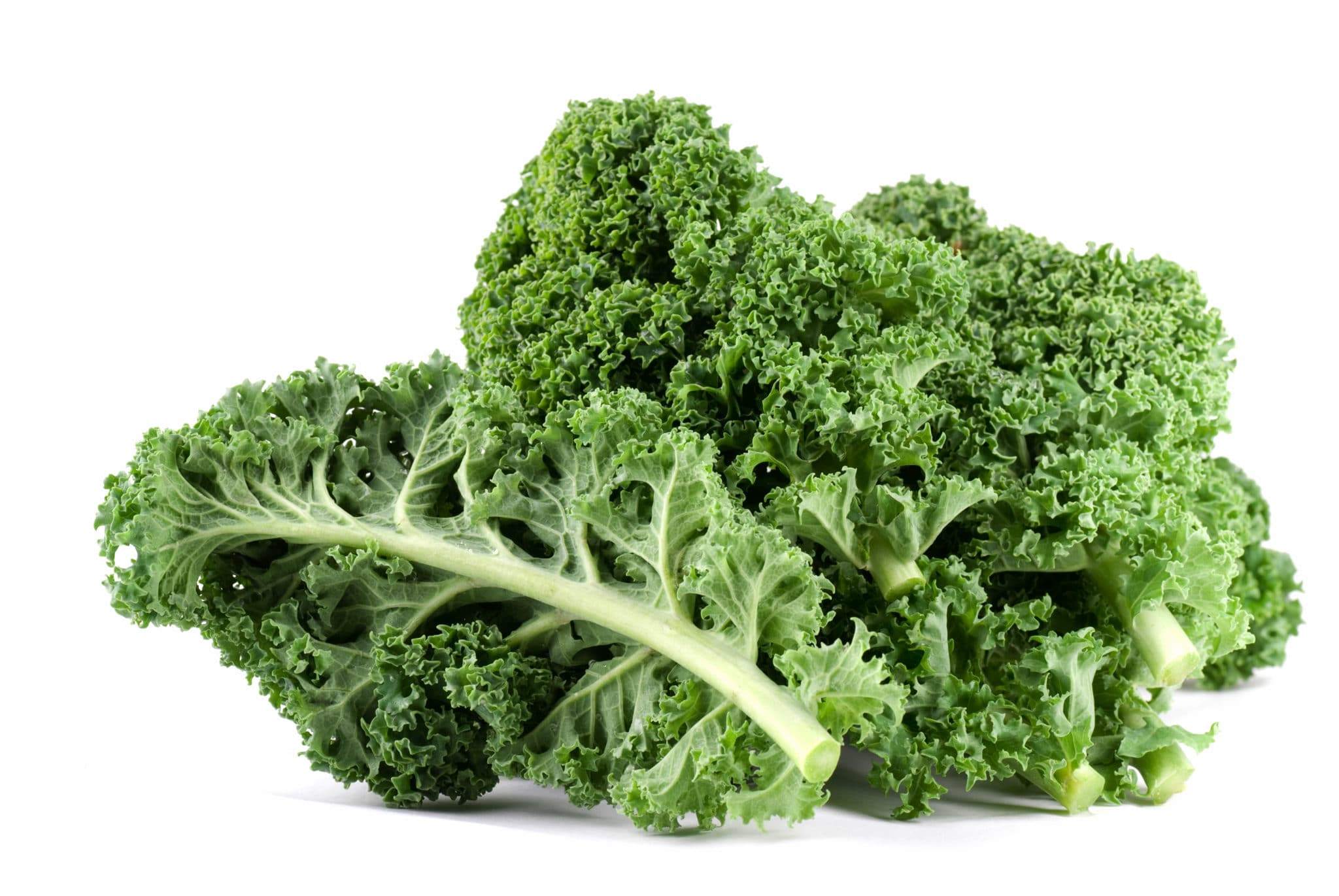
    Kale 101: The Naturopathic Kitchen

    Welcome back to The Naturopathic Kitchen! Each week we go back to the basics to use food as medicine in order to lead healthier lives. It can be intimidating to try new things especially when you don’t know what it is good for you or how to prepare/cook it. Today we’ll be discussing the ever-popular kale!

    Kale 101

    If there ever was a mascot for the healthy eating movement it would be kale. This curly dark-green vegetable has gotten quite the reputation as being the super food of superfoods. Coming from the brassica family, it is closely related to wild cabbage and has many of the same health benefits as other brassica family vegetables like broccoli, mustard greens, and cabbage.

    Where does kale come from? Where can I find it?

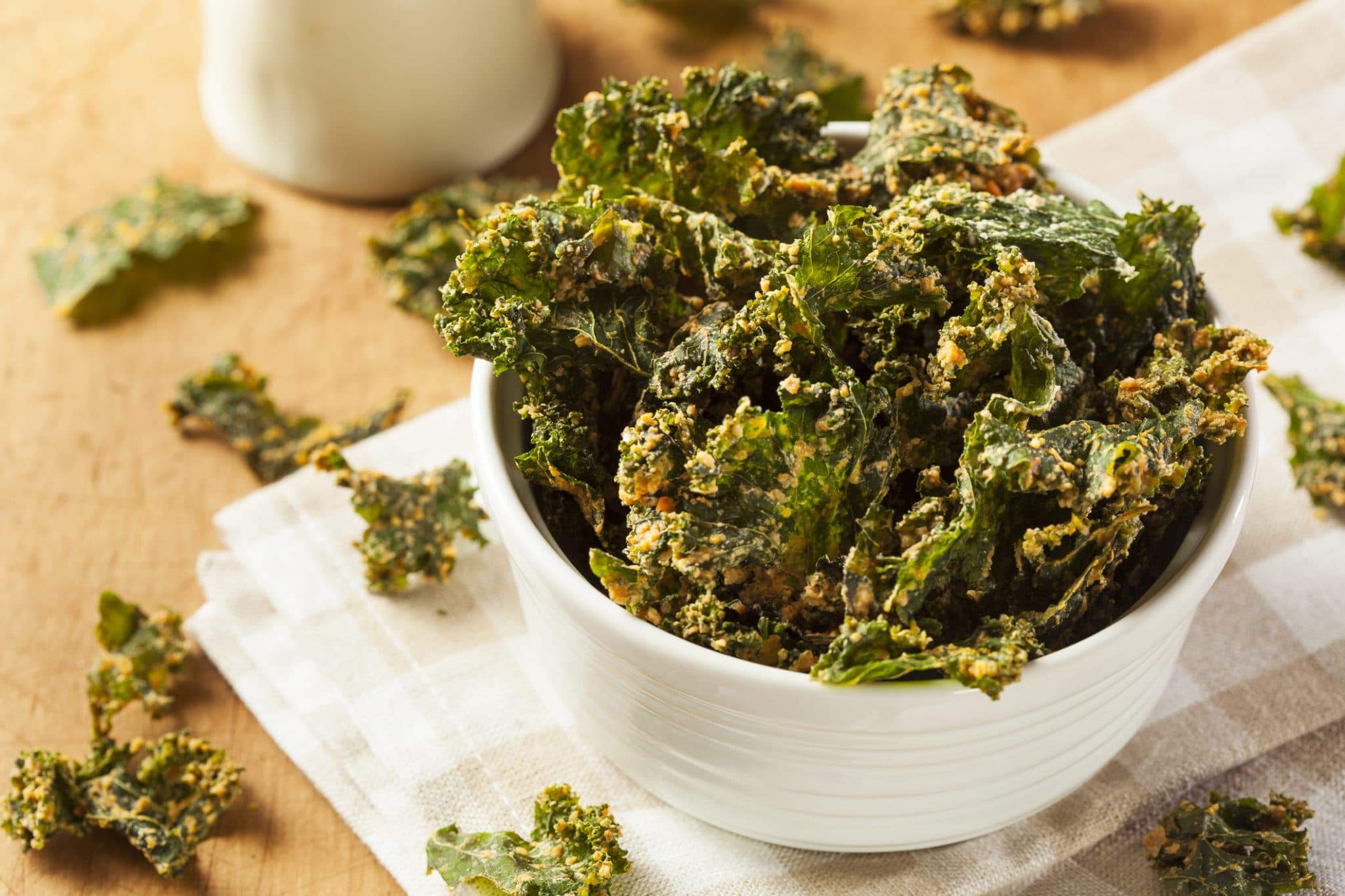
    Kale originated in the eastern Mediterranean and has been cultivated for culinary and medicinal uses for over 4000 years. In ancient Rome, kale was commonly used to treat bowel ailments. Because kale is so hardy and easy to grow, it has been an important dietary staple during difficult times. It wasn’t too long ago that kale could only be found at specialty food stores, co-ops, and farmer’s markets. But with the health food movement, kale has made its way into most major grocery stores. Kale is most easily found in the fresh produce section but can also be found in the snack aisle in the form of dried kale chips. It is important to note that kale is often on the dirty dozen list, so it is best to get organic kale when possible.

    How does kale help my health?

    Not only is kale loaded with nutrients like vitamin K, vitamin C, carotenoids, flavonoids, magnesium, and calcium, it is also rich in glucosinolates which aid in detoxification at the cellular level. This makes kale and other brassica family vegetables a viable way to help our bodies process and eliminate many of the harmful pesticides, solvents, and heavy metals that we are exposed to in modern society.1 Studies have shown that certain nutrients are more bio-available when consumed steamed rather than raw or boiled2though the antioxidants can break down during the cooking process. So, a balanced diet including raw and cooked forms of kale is ideal.

    What medical conditions/symptoms is kale used for?

    When should kale be avoided?

    Kale and other brassica family vegetables contain compounds that are capable of blocking iodine uptake by the thyroid gland. This can cause the thyroid gland to grow in size to try to compensate. Because of this goitrogenic effect, it is best to consume kale in moderation and in even smaller amounts in those with hypothyroidism. However, cooking dramatically reduces this effect.

    Let’s try out kale with these tasty recipes!


    Roasty Toasty Beets and Kale Salad


    INGREDIENTS

    medium beets (about 3 inches in diameter)
    1⁄2 large yellow onion, cut in half
    extra-virgin olive oil to taste
    Sea salt and fresh ground pepper
    1⁄4 crumbled goat cheese
    1 bunch organic kale
    1⁄8 sea salt
    4 T balsamic vinegar

    INSTRUCTIONS

    Preheat oven to 400 degrees. Wash beets and trim ends. Reserve beet greens for salad. Slice beets crosswise into 1/4-inch-thick rounds. Spread beets and onions in a single layer in two 9x13-inch baking pans. Drizzle with olive oil and sprinkle lightly with salt and pepper; toss to coat.
    Roast for 30 minutes, stirring every 10 minutes. Remove from oven and allow to cool slightly.
    Wash and de-stem kale. Cut kale in ribbons to desired thickness and place in medium bowl. Sprinkle kale with sea salt. Massage kale until moist and tender. Cut beat greens to similar thickness.
    Plate kale and greens; top with slightly cooled beets and onions. Sprinkle goat cheese atop. Drizzle vinegar evenly over salad. Serve warm or chilled.
     
    Thank you to Bastyr University for this recipe!


    Baked Kale Chips


    INGREDIENTS

    1-2 bunches of Lacinato/Italian Kale
    2-3 cloves of garlic, chopped
    2 T coconut or olive oil
    Sea salt to taste
    Cayenne pepper (optional)

    INSTRUCTIONS

    1. Wash and pat dry the kale. Preheat oven to 350 degrees (325 degrees if using olive oil).
    2. Peel kale leaves away from thick stems and put in a bowl.
    3. Add oil, garlic and salt and other seasoning and toss well or massage by hand.  Spread out kale on baking sheet.
    4. Bake for 10-12 minutes, or until kale is slightly crispy around the edges.

    Thank you to NUNM’s Food as Medicine Institute for this recipe!  

    Saturday, 12 January 2019

    CFP: ISEE 16th Annual Summer Meeting


    International Society for Environmental Ethics
    16th Annual Summer Meeting
    Call for Papers on themes concerning
    Rapid, Anthropogenic, and Global Ecological Change
    July 10-13, 2019
    H.J. Andrews Experimental Forest, Blue River, Oregon

    The 16th annual summer meeting of the International Society for Environmental Ethics will convene from July 10 thru July 13, 2019, at the H.J. Andrews Experimental Forest Research Station, nestled in the Cascade Mountains east of Eugene, Oregon.
    This call for papers solicits 500-word proposals for presentations on any topic in environmental philosophy. However, special attention will be given to proposals for talks concerning issues connected with rapid anthropogenic ecological change. Global biophysical systems have remined relatively stable across twelve thousand years of the Holocene Epoch, providing background climatic and ecological conditions for the emergence and development of human civilization as we know it. While there is convincing evidence of that the state and function of global earth systems, and thus subsequent environmental and biological conditions, have been significantly different across geologic time, alterations underway today stand out for their rapidity and anthropogenic origin. The so-called Anthropocene portends unprecedented and arguably irreversible ecological conditions arising within only a few hundred years, or less. The theme of this conference is to recognize the need for received frameworks of environmental thinking and historic environmental imaginaries to be revisited, adapted, and perhaps radically revised – or not – in response to normative, political, and existential demands precipitated by radical anthropogenic environmental change across global, regional, and local scales.
    Possible subjects include the exploration of questions concerning the political and cultural conditions under which various anthropogenic drivers of global environmental change have arisen, how we should think about appropriate transformations and adaptations to already forgone and still likely greater climate and other environmental changes, the moral fabric of our relations with past and future human generations, and how to comprehend the moral dimensions of a sixth mass species extinction event. Possible topics include geoengineering, novel ecosystems, biodiversity loss, the role of humanistic representations of our place in the Anthropocene (e.g. through art, history, and narrative forms), de-growth and post-capitalist economies, justice, sustainability, human population growth, and culturally diverse worldviews.
    Proposals prepared for blind review should be submitted via email to Allen Thompson, <allen.thompson@oregonstate.edu> no later than March 1st, 2019. Decisions will be announced by April 1st.

    Antibacterial and antibiotic modifying activity evaluation of ruminants' body fat used as zootherapeutics in ethnoveterinary practices in Northeast Brazil

    Journal of Ethnopharmacology

    Volume 233, 6 April 2019, Pages 87-93
    Journal of Ethnopharmacology


    Débora LimaSalesaJacqueline CosmoAndradeaAna Raquel Pereirada SilvabSaulo RelisonTintinobCícera Datiane de MoraisOliveira-TintinobGyllyandesonde Araújo DelmondesbMaysade Oliveira BarbosaaHenrique Douglas MeloCoutinhobFelipe SilvaFerreiracMarcos Fábio GadelhaRochadDaniela Maria do Amaral FerrazNavarroeSuyana Karolyne Linoda RochaeJosé Galberto Martinsda CostabRomulo Romeu da NóbregaAlvesfWaltécio de OliveiraAlmeidab
    a
    Universidade Federal Rural de Pernambuco – UFRPE, Recife, PE, Brazil
    b
    Universidade Regional do Cariri – URCA, Crato, CE, Brazil
    c
    Universidade Federal do Vale do São Francisco – UNIVASF, Senhor do Bomfim, BA, Brazil
    d
    Universidade Estadual do Ceará – UECE, Fortaleza, CE, Brazil
    e
    Universidade Federal de Pernambuco – UFPE, Recife, PE, Brazil
    f
    Universidade Estadual da Paraíba – UEPB, Campina Grande, PB, Brazil
    Received 9 November 2018, Revised 7 December 2018, Accepted 8 December 2018, Available online 25 December 2018.

    Abstract

    Ethnopharmacological relevance

    Northeast Brazilian ethnoveterinary studies associated with the medicinal use of zootherapies have shown that ruminants’ body fat such as sheep (Ovis aries), goats (Capra hircus) and cows (Bos taurus) are used in diseases affecting domestic animals.

    Aim of the study

    The objective of this study was to evaluate the antibacterial activity of the fixed oils from these ruminants in isolation and in association with antibiotics.

    Results

    Ovis aries (OFOA), Capra hircus (OFCH) and Bos taurus (OFBT) fixed oils were extracted using a Soxhlet apparatus with hexane as the solvent. Through the use of gas chromatography coupled to mass spectrometry (GC-MS) the methyl esters from the ruminants’ fixed oils were obtained and the fatty acids present in these oils were indirectly determined. The OFOA, OFCH and OFBT antibacterial and antibiotic modifying activities against standard and multi-resistant bacterial strains were carried out using the broth microdilution test. The fixed oils from these species did not present antibacterial activity when tested in isolation, obtaining Minimal Inhibitory Concentration (MICs) values ≥ 1024 μg/mL. However, when associated with antibiotics, OFBT and OFCH showed a synergistic activity for the Amicacin, Amoxicillin, Norfloxacin and Oxytetracycline antibiotics.

    Conclusion

    The OFOA promoted a synergistic action for the same antibiotics with the exception of Norfloxacin.

    Re: Herbal Products Reviewed for Their Cardiovascular Effects, Labeling, and Safety Concerns

    Date: 07-13-2018 HC# 121733-596

    Nunes MA, Rodrigues F, Alves RC, Oliveira MBPP. Herbal products containing Hibiscus sabdariffa L., Crataegus spp., and Panax spp.: Labeling and safety concerns. Food Res Int. October 2017;100(Pt 1):529-540. doi: 10.1016/j.foodres.2017.07.031.
    Hibiscus (Hibiscus sabdariffa, Malvaceae), hawthorn (Crataegus spp., Rosaceae), and ginseng (Panax spp., Araliaceae) have been studied for their beneficial effects on cardiovascular health. They are the main ingredients in various herbal products, some of which claim to improve cardiovascular disease (CVD) risk factors such as hypertension and dyslipidemia. Concomitant use of medicines and herbal products may bear some risks. The authors reviewed herbal and herbal/fruit products available in Portugal containing hibiscus, hawthorn (C. monogyna), and Asian ginseng (P. ginseng); critically analyzed the product labels; assessed the cardiovascular effect of the products; and analyzed the current market for these products.
    Products were randomly selected from six supermarkets and three herbalist shops in Porto, Portugal, during April and May 2016. Fifty-two products for infusion preparation, from 22 commercial brands, were found to contain herbs individually or in mixtures. Thirty included hibiscus, 16 contained hawthorn, and six contained Asian ginseng. For each product, the authors recorded label information about ingredients, plant part(s), form, and preparation recommendations. They evaluated statements or claims referring to health conditions and warnings for specific health or well-being disorders. Not all products specified the plant's scientific name. For 33 products, only the common name was used. For five products, although the product name referred to one plant, several plants were named as ingredients. Ten products did not list the main ingredient on the front label.
    Of the total ingredients, proportions ranged from 1% in a mixture of ginseng, honey, lemon (Citrus × limon, Rutaceae), and green tea (Camellia sinensis, Theaceae), to 100% in three hibiscus products. Four products contained hibiscus extracts while none contained hawthorn or ginseng extracts. Nineteen products did not describe the amount of plant or plant part used.
    A meaningful assessment of representative chemical constituents and plant effects is confounded by the variety of bioactive compounds found in these plants due to cultivation and climate conditions, plant genetics, metabolic pathways, harvesting practices, and method of analysis. Comparing studies of the plants is also impeded by varying sample preparation, solvents and sample/solvent ratios, method of extraction, and analytical methods used.
    Hibiscus is used worldwide to treat hypertension and dyslipidemia. Hibiscus beverages are usually prepared by decoction or infusion of its calyxes and leaves. Its flowers contain phenolic acids, flavonoids, and anthocyanins. The calyxes have a lower content of flavonoids and glycosides. Various studies have evaluated the effects of hibiscus compounds on the cardiovascular system, with some investigators attributing its protective cardiovascular properties to its anthocyanins. Among the potential mechanisms for its antihypertensive, antioxidant, and hypolipidemic properties are direct effects on vascular muscles, calcium channels, and cholinergic and histaminic activity. Of the 30 products with hibiscus as the major ingredient, six products did not name the plant on the front label. The flower was the most common part listed, with only one product containing leaves. One product claimed tonic properties and improved circulation. Recommended dosages and preparation instructions were indicated on the labels.
    Hawthorn is used in infusions, tinctures, standardized extracts, dietary supplements, authorized prescription drugs, and herbal medicinal products for its cardioprotective effects. Among the many bioactive compounds identified in the species are oligomeric procyanidins, flavonoids, catechins, and sugars, which are found in the berries, leaves, and flowers. The species' beneficial cardiovascular effects are attributed to their antioxidant, anti-inflammatory, antiplatelet aggregation, vasodilating, antiarrhythmic, lipid-lowering, and endothelial protective properties; positive inotropic action; reduced smooth muscle cell migration and proliferation; protection against ischemia/reperfusion injury; and a decrease of arterial blood pressure. The 16 samples in this study contained flowers, leaves, and fruits, up to a proportion of 35%. Five products included statements related to cardiovascular conditions, such as "supports the normal function of the arteries," "important for […] arrhythmias," and "supports cardiac function, increases the oxygen flow and improves peripheral circulation." The authors found some of these claims misleading.
    Ginseng contains ginsenosides, a group of triterpene glycosides, which are present in the root, leaf, and berry. The various ginsenoside structures are associated with different mechanisms and pharmacological effects, probably due to their antioxidant, anti-inflammatory, immunostimulatory, and antihyperglycemic activities. Inconsistent study outcomes may be attributed to the structural heterogeneity of the ginsenosides, their multiple mechanisms, and the various experimental methodologies used to evaluate their activities. Fourteen products containing ginseng presented cautionary statements such as, "It is advisable to consult a doctor or a dietitian whenever you have questions about the consumption of this product" and "This tea should not be taken by individuals with low blood pressure."
    European regulations stipulate that nutrition and health claims must be scientifically valid or proven, useful, reliable, and comprehensible to consumers. The European Medicines Agency’s monographs cover therapeutic uses and safe conditions of well-established and traditional applications for herbal preparations. Some statements and claims on products included in this study corresponded to EU herbal monographs.
    The herbs described in this study "seem to have potential benefits for CVD and can draw the consumers' attention," write the authors. Of concern are consumers with a cardiovascular disorder, who are being treated with conventional medications, and who take herbs regularly, but do not know the herbs present in the products they take. A lack of information may lead to adverse effects from herb-drug interactions and other potential side effects. Although some adverse effects and herb-drug interactions have been reported, findings suggest only nonsignificant evidence of interactions between drugs and hibiscus. Hawthorn is well-tolerated and free from significant adverse effects. However, some adverse effects reported include headache, rash, palpitations, and gastrointestinal upset. It may also interact with antihypertensives, antilipemic drugs, beta-blockers, digoxin, vasodilators, anticoagulant, and antiplatelet drugs. Patients who consume ginseng products along with anticoagulants, antidepressants, antidiabetics, antilipemic drugs, calcium channel blockers, digoxin, or diuretics should be monitored. "[…] consumers with some sort of cardiovascular dysfunction and/or under medication treatments should be aware to carefully analyze the labels and consult additional information related to these herbal products," state the authors. Manufacturers should provide awareness statements, and health professionals should caution their patients about possible herb-drug interactions, according to the authors. Additional studies and clinical trials are needed to better understand the effects of herbs and to provide science-based guidance to assess their safety.

    Shari Henson